
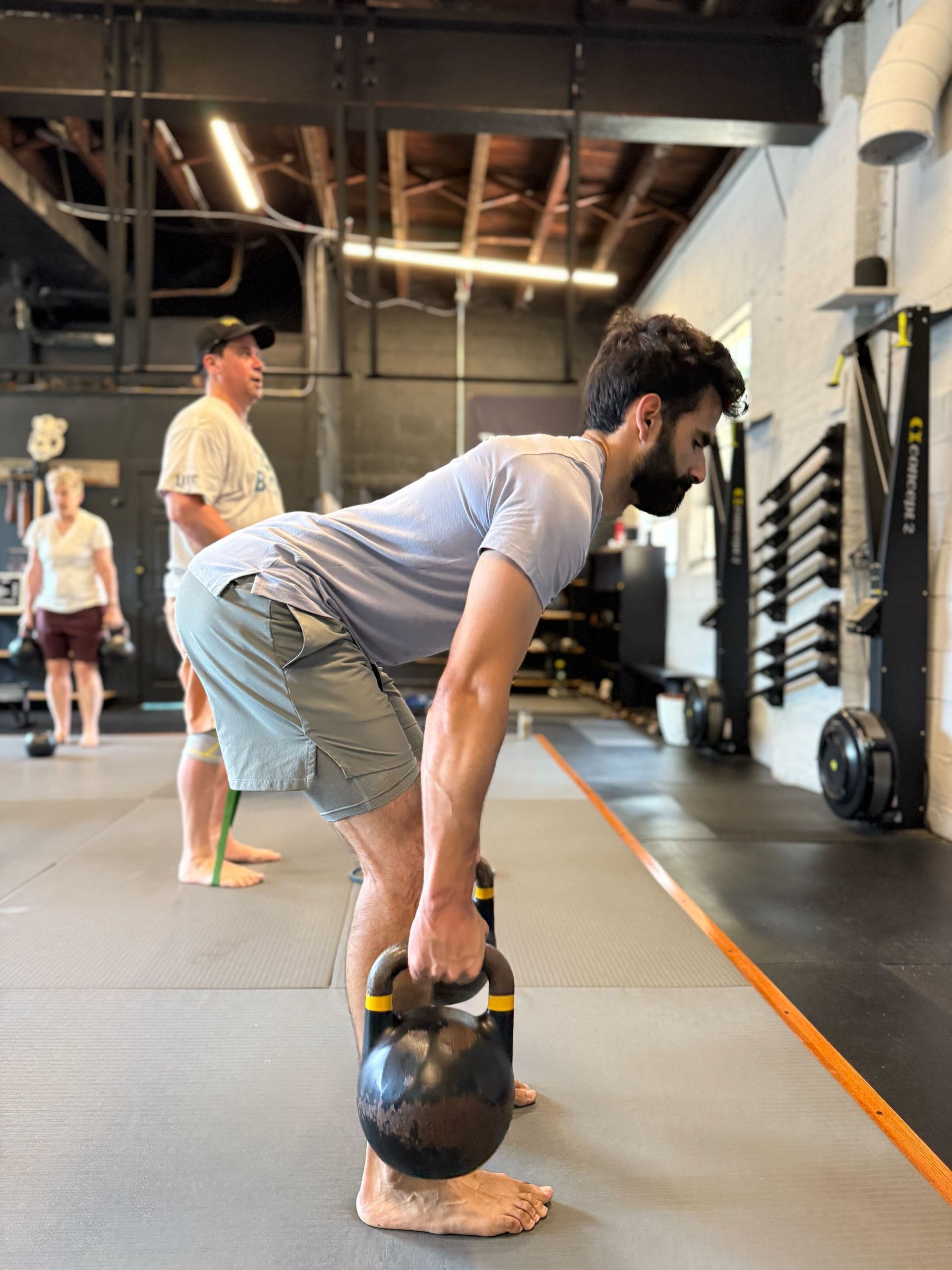
Motivation is not a personality trait, it is often a result of the room you walk into and the people you move with.
In Maplewood, busy schedules are basically a local sport, and that is exactly why Fitness Classes can feel like the most realistic way to stay consistent. When you have work, commuting, family logistics, and the endless little life tasks, relying on willpower alone is a rough plan.
We see it all the time: you start with a goal, you mean it, and then a few weeks later your calendar starts winning. The good news is that group training is built for real life. The structure, the social energy, and even the tiny rituals around showing up can turn motivation from something you chase into something that shows up with you.
Below are seven surprising, very practical ways Fitness Classes help you stay engaged, especially here in Maplewood where routines need to be efficient, flexible, and honestly a bit more human.
Why motivation feels different in Fitness Classes
Motivation tends to fade when your workout depends on constant decision-making. You have to pick the time, pick the workout, decide how hard to go, and talk yourself into starting. In a class, that mental load gets lighter because the plan is already in motion when you arrive.
There is also a real psychological layer to training in a group. Facilities with group fitness often see around a 73 retention rate, largely because people feel a sense of belonging and a little friendly competition. That blend matters. Feeling seen and supported helps, and feeling challenged helps too.
In Maplewood, classes also match how people actually live. Many residents are juggling family or commuter schedules, which makes a predictable class schedule feel like a small anchor in the week instead of one more thing you have to engineer.
1. Habit cues quietly do the hard work for you
One of the most overlooked motivators is not inspiration, it is the cue that triggers the behavior. Research on habit formation shows that simple preparation habits and instigation cues can boost adherence by around 200 percent. That is not a typo, it is just a reminder that humans love autopilot.
Fitness Classes naturally create those cues. If you tend to attend on certain days, your body and brain start to expect it, even when your mood is not fully on board yet.
Here are a few cues we encourage because they work in real households:
• Pack your gym bag right after dinner so it is done before evening fatigue hits
• Put your class time on your calendar as a meeting, not a maybe
• Pick a consistent trigger like leaving work, dropping kids off, or ending the workday at home
• Use the same route to class so the drive itself becomes part of the ritual
• Keep your water bottle and sneakers in one visible spot so you do not have to hunt for them
It sounds almost too basic, but that is the point. When the routine is simple, showing up becomes easier than skipping.
2. Friendships form faster than you expect
A surprising number of people use the gym as a social space. About 37 percent of Gen Z report using gyms for socializing, and that pattern spills into other age groups too. Classes make it easier to connect because you are sharing an experience, not trying to force small talk.
In Maplewood, that matters. This is a community where people often want local connection, but time is limited. When you come to class, the friendships can build in small, natural ways: a quick hello at the door, a shared laugh when the set gets spicy, a familiar face saving a spot.
And on the days you feel low energy, those friendly connections can be the entire reason you still walk in, even if you are not planning to be a hero that day.
3. Repeat booking creates momentum, especially with low-impact training
Here is an unexpected motivator: choosing the class you will actually repeat. In 2024, Pilates was the most-booked class globally, and people were 109 percent more likely to book low-impact sessions like Pilates, yoga, and cycling. The repeat booking pattern is a big deal because repetition is how consistency becomes normal.
Low-impact does not mean low value. For many people, it means sustainable. You can train regularly without feeling wrecked, which makes it much easier to keep the habit when life gets busy.
If you are newer, coming back from time off, or simply tired of workouts that punish you, building your base with accessible Fitness Classes can be the smartest motivation hack. The class becomes something you can keep doing weekly, which is where progress actually stacks up.
4. Post-work classes flip low energy into forward motion
A lot of people assume they should work out in the morning, and if that does not happen, the day is basically lost. But data around class attendance shows weekday sessions around 5:30 pm are often peak time, and that makes sense: it is the moment when you need a transition.
We also know that low energy is one of the biggest barriers to sticking with goals, with about 20 percent of people citing it as the reason they fall off. A well-coached class can change that because you do not have to create energy from scratch. You borrow it from the room.
For Maplewood commuters, that after-work window is especially important. You do not need to wait until motivation arrives. You can show up tired, let the warm-up do its job, and leave feeling like you got your day back.
5. Mental health benefits are baked into the format
A growing portion of people are choosing workouts for how they feel afterward, not just what they look like. Around 34 percent of participants in lower-intensity training say mental health is a main target, and Gen Z and Millennials prioritize mental health at about 71 percent. That is not a trend we dismiss, because it is real life.
Fitness Classes help here in a few ways:
• The start time gives your day a boundary, which reduces the feeling of everything blending together
• Guided movement pulls attention away from the endless mental tabs open in your head
• Breathwork and controlled pacing, common in low-impact formats, downshift stress
• A supportive group environment reduces isolation, especially in winter months
Sometimes the best motivation is simply remembering that your brain feels calmer after you move. You do not have to chase the perfect workout. You just have to show up and let the structure carry you.
6. A little competition raises your standards in a good way
Not everyone thinks of themselves as competitive, but most people respond to the energy of a group. When someone next to you keeps moving with good form, you tend to keep moving too. When the room is focused, you focus.
That is part of why group fitness has such strong retention. That 73 retention rate is not only about friendships, it is also about shared effort and a tiny spark of comparison that pushes you a bit further than you would go alone.
The key is that it stays friendly and coached. In class, we can scale the challenge so you feel pushed, not punished. That balance creates motivation you can sustain.
7. The fall reset is real, and Maplewood routines love it
September is often the top month for getting back into routines. Summer schedules shift, school calendars return, and people crave a reset. It is not just psychology, it is logistics. The calendar finally supports consistency again.
If you live in Maplewood, fall can be the perfect time to lock in a rhythm with Fitness Classes in Maplewood NJ because your week is already structured: commutes, pickups, work blocks, weekend plans. When your training time has a consistent slot, you stop negotiating with yourself every day.
If you want to use this seasonal boost without overcomplicating it, keep it simple. Pick two or three weekly class times you can truly protect, and treat the first month like laying tracks. Once the routine exists, motivation has a much easier job.
How to choose the right class schedule so motivation stays high
Motivation dips when the plan is unrealistic. The best schedule is not the hardest one, it is the one you can repeat for months. We like to frame it as a consistency-first strategy, because that is how you avoid the pattern where 46 percent of people miss annual fitness goals.
A simple approach that works for most people looks like this:
1. Start with two classes per week for the first three weeks to build the habit without burnout
2. Add a third weekly session only after your body feels recovered and your calendar feels stable
3. Choose at least one low-impact class so you can keep training even when stress is high
4. Put classes at the same times each week so attendance becomes automatic
5. Use the class schedule page to plan ahead instead of deciding day-of
We also see better long-term engagement when people join memberships that include challenges or community support. Group-based memberships can keep people engaged for an average of about 16 months, largely because there is always a next milestone and a sense of shared progress.
Take the Next Step
If you want motivation that lasts, the secret is not grinding harder, it is building a routine that feels doable and supported. Fitness Classes work because community, cues, and structure do not rely on you feeling inspired every single day, and that matters in a place like Maplewood where life moves fast.
At Soma MVMT, we design our class schedule and coaching around those real-world motivation triggers: approachable formats, a welcoming room, and programming that helps you show up consistently and keep building from there.
Take the next step in your movement journey by joining a free fitness class at SOMA MVMT.