The best class is the one that meets you where you are today and still makes sense six months from now.
Fitness Classes in Maplewood, NJ have changed in a good way: we no longer assume everyone wants the same workout, the same pace, or the same playlist. Some people walk in wanting to feel steady on stairs again. Others want strength that carries over to work, parenting, or weekend sports. Plenty of adults want a hard sweat, but want it without joint pain or feeling lost in the room.
Our approach to Fitness Classes starts with one simple idea: your life stage matters. What you need in your 20s can be different from what you need after 40, and different again when balance and mobility become top priorities. The encouraging part is that you do not have to pick one identity and stick with it forever. A well-designed program adapts, and you adapt with it.
In Maplewood, we also see something else clearly: people want structure and community, but also safety. That means workouts that can scale up or down, coaching that notices form before speed, and class plans that build consistency instead of random intensity.
Why life-stage programming is becoming the new normal in Fitness Classes
A single workout template cannot serve everyone well. Bodies change with stress, sleep, hormones, work schedules, past injuries, and plain old time. If a class ignores that, people either quit or push through until something hurts, and nobody wins.
Life-stage programming does not mean you get put in a box. It means we make room for common realities: returning after a break, managing stiffness, building strength after having kids, training with a busy schedule, or staying athletic while protecting your joints. The class still feels like a group experience, but it is built to be adjustable.
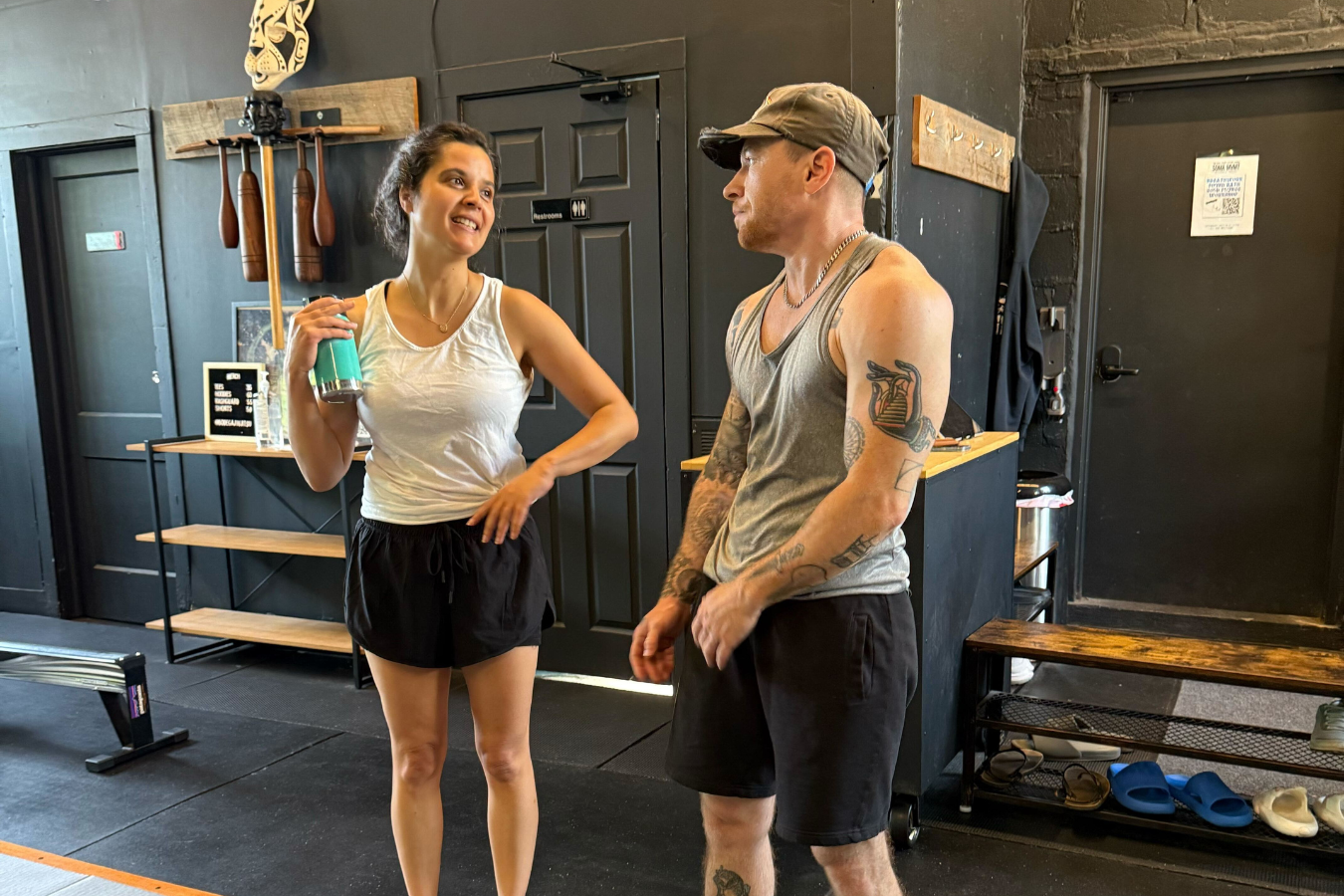
Maplewood residents also tend to value community. A good class is not just an exercise plan. It is a weekly rhythm, familiar faces, and the quiet reassurance that you belong there even if you are modifying a movement or taking a breather.
The foundation that works across every age: strength, mobility, and movement quality
Trends come and go, but a few fundamentals keep showing up because they work. Strength helps you move through the world with more confidence, from carrying groceries to getting up from the floor. Mobility keeps your joints doing what they are supposed to do, so you can train without feeling creaky. Movement quality means we care about how you move, not just how much you do.
When we build classes around these pillars, we can serve a wide range of ages and backgrounds without turning the room into chaos. You might be lifting moderate weights with steady tempo while someone next to you is lifting heavier, and both people are getting exactly what they need.
Functional training is especially helpful here. Instead of training muscles in isolation, we train patterns like squatting, hinging, pushing, pulling, rotating, and carrying. These patterns show up in real life, and improving them tends to make everything feel easier.
Fitness Classes for beginners: building comfort, confidence, and consistency
Beginners usually do not need more motivation. You need clarity. You need to know what to do when you walk in, and you need to trust that the workout will not wreck you for three days.
We like to start beginners with a pace that teaches control. That might mean interval-style work where the goal is quality reps, not racing the clock. It might include mobility warm-ups that actually matter, not just a quick stretch you forget five minutes later.
A beginner-friendly class should feel like this:
- You understand the plan within the first few minutes
- You get coached on form, especially on the main strength movements
- You have options for impact level, like stepping instead of jumping
- You leave feeling worked, not defeated
- You can come back in two days without dread
That last point matters more than most people admit. Consistency is the real secret, and consistency comes from workouts that fit your current capacity.
Busy adult schedules: making training realistic without making it watered down
Many adults in Maplewood are balancing full calendars. If you have 45 minutes, you want those 45 minutes to count. The answer is not always “harder.” The answer is often “smarter.”
This is where small-group coaching and well-planned intervals shine. You can get a full-body strength stimulus, a heart-rate push, and some mobility work in a single session, as long as the session is designed with intention. We also pay attention to transitions, setup, and flow, because wasted time adds up fast.
We also plan for the days when your energy is not perfect. Some days you sleep great and feel springy. Other days you show up a little fried. A good coach helps you adjust intensity while keeping you moving forward.
Higher-intensity Fitness Classes: performance with guardrails
Some adults want intensity because it clears the mind. You get in, you focus, you sweat, and you walk out feeling sharper. We get it.
High-intensity training works best when the guardrails are clear. That includes movement standards, smart work-to-rest ratios, and options that protect your knees, back, and shoulders. Intensity does not have to mean chaos. It can mean focus.
For higher-intensity options, we usually anchor the class around repeatable patterns: short intervals, predictable progressions, and a balance of strength and conditioning. If your form breaks down, we change the movement or lower the load. That is not a step back. That is how you train for the long run.
Midlife training: strength, bone health, and staying capable
Midlife is where a lot of people get serious, not because you suddenly care more, but because you can feel the difference between “I work out sometimes” and “I train consistently.” You may also start to care less about punishing workouts and more about workouts that support your life.
Strength training becomes especially valuable here. It supports muscle retention, joint integrity, posture, and daily energy. It also tends to support confidence in a very practical way: you feel more capable.
Mobility and recovery also matter more in this stage. A good weekly routine usually includes at least one session that feels restorative, even if it still includes strength. You do not need to choose between being strong and feeling good. You can build both.
Older adults and the non-negotiables: strength, balance, and safe progression
Older-adult programming is no longer an afterthought in Maplewood. We see real demand for classes that prioritize balance, stability, and strength without high impact. That lines up with what national guidance recommends, too.
The CDC recommends that adults 65 and older aim for 150 minutes of moderate activity each week, plus muscle-strengthening on 2 days per week and balance training as part of the routine. Those targets sound big until you break them into manageable pieces across the week.
In practice, older-adult focused Fitness Classes should include:
1. A warm-up that prepares ankles, hips, and shoulders for motion
2. Strength work that supports legs, glutes, back, and core
3. Balance drills that are progressed gradually, with support options
4. Low-impact conditioning that keeps breathing and stamina improving
5. A cool-down that brings the nervous system down, not just the heart rate
Safety here is not about going easy. It is about choosing the right challenge. A controlled step-up can be more valuable than a jump. A slow, stable lunge pattern can do more for confidence than rushing through reps.
Returning after injury, stiffness, or a long break: how we make it feel doable
A lot of adults do not quit fitness forever. You pause. Life happens. Your back acts up. Your knee gets cranky. Work gets intense. Then you want to come back, but you do not want to start at zero in front of a room full of people.
This is where coaching and class design matter. We build in options so you can train around limitations without feeling singled out. We also use progressions: you earn complexity. You do not have to prove yourself on day one.
If you are returning, we usually prioritize two things early:
- Range of motion you can control, not flexibility you cannot use
- Strength in the positions you live in, like hinging, squatting, and carrying
It is normal to feel a little awkward at first. That passes quickly when you have a plan and someone paying attention.
Mind-body and recovery work: the missing piece for a lot of adults
Maplewood’s class culture includes mind-body and recovery options for a reason. Many adults are stressed, sitting more than they want to, and carrying tension in shoulders and hips. If you only train hard and never recover, your body eventually votes no.
Recovery-focused classes are not about doing nothing. They are about building breath control, mobility, core stability, and joint-friendly strength. These sessions make your other sessions better. You move cleaner. You sleep better. You feel less beat up.
We also like recovery work because it keeps you connected to your training even during intense seasons of life. If your schedule is heavy, one solid session that resets your body can keep your momentum alive.
How to choose the right class for your life stage
Choosing among Fitness Classes is easier when you focus on a few practical filters instead of trying to guess what is “best.” We recommend starting with your goal, your joints, and your schedule, then matching intensity to your current reality.
Here is a simple checklist you can use before you book:
- Impact level: Do you need low-impact options right now, or do you tolerate jumping well?
- Coaching and form: Do you want hands-on cues and clear technique standards?
- Strength emphasis: Do you want to get stronger, or mainly improve stamina and mobility?
- Class size and attention: Do you feel better with personalized feedback?
- Progression: Can you see how the class plan builds week to week?
- Recovery balance: Are you pairing hard sessions with at least one lower-intensity session?
If you are unsure, start slightly easier than your ego wants and build from there. That choice tends to keep people consistent, and consistency changes everything.
Take the Next Step
If you want Fitness Classes in Maplewood, NJ that evolve with you, we built our coaching and programming to support exactly that. At Soma MVMT, our small-group approach blends functional strength training and interval workouts so you can train hard when you are ready, scale down when you need to, and keep progressing through every season of adulthood.
You do not need a perfect starting point. You need a plan that fits your body today and a class environment where you feel coached, welcomed, and challenged in the right ways. That is the experience we aim to deliver at Soma MVMT, class after class.
Turn your interest in fitness into consistent training at Soma MVMT.