
When your progress stalls, the right room, the right plan, and the right people can restart your momentum fast.
Workout plateaus are frustrating because you can be doing everything that used to work and still feel stuck. In Maplewood, we see this all the time with busy schedules, commuter routines, and the kind of weeks where “I’ll do it tomorrow” shows up a little too easily. The good news is that plateaus are normal, and they are usually a sign that your body has simply adapted.
That is exactly why Fitness Classes are such a powerful reset. Instead of guessing what to do next, you step into a session that is already structured for progression, variety, and consistency. And yes, it helps that the energy in a great class makes it easier to show up when motivation is low.
If you have been grinding through the same home workouts, repeating similar gym sessions, or feeling like your effort is not matching your results, we built our approach around getting you moving forward again, without turning fitness into a second job.
What a workout plateau really is (and why it happens to motivated people)
A plateau is not failure. It is adaptation. Your body is efficient, and once it learns a routine, it stops treating that routine as a major challenge. The same weights, the same intervals, the same sequence of movements, even the same rest times, all become familiar. Familiar means less stimulus, and less stimulus means slower change.
In Maplewood, plateaus also happen for reasons that have nothing to do with willpower. People juggle long workdays, commuting patterns, family obligations, and uneven sleep. When your stress rises and your recovery drops, your performance can flatten out, even if you are “working hard.”
That is why we take plateaus seriously, but not personally. Our job is to help you apply the right training stress at the right time, then support you enough that you can repeat it next week and the week after.
Why Fitness Classes work when solo workouts stop working
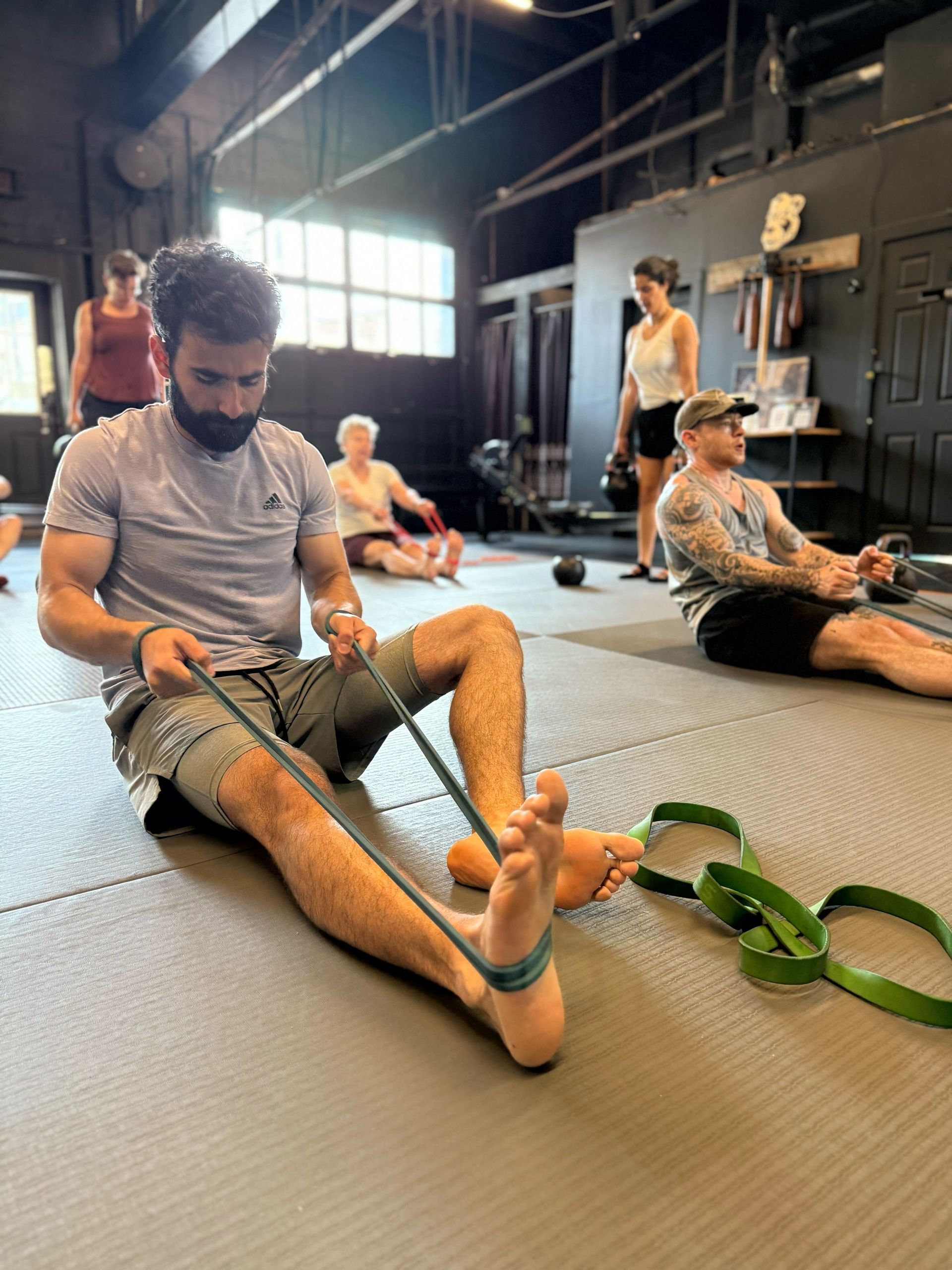
The biggest advantage of Fitness Classes is that you stop relying on guesswork. A well-coached class gives you a plan, a pace, and a reason to keep going when your brain tries to negotiate a shorter effort.
Classes also interrupt patterns. If you always train the same way, you usually reinforce the same limitations: you lift what feels comfortable, you avoid what feels awkward, and you take breaks when nobody is watching. In a class setting, we can guide intensity, change movement patterns, and keep you honest about rest and form. That is where progress returns.
There is also a community effect that is hard to replicate alone. Group fitness facilities report a 73 retention rate due to belonging and friendly competition, which is a big deal when most people lose momentum after a few weeks. Consistency is not glamorous, but it is the real plateau breaker.
The plateau problem in Maplewood: time, consistency, and mental load
Maplewood is active, but it is also busy. When you have a life that is packed, fitness needs to be predictable. That is one reason structured sessions matter so much here: they act like a small anchor in your week. You do not need an hour of decision-making. You need to show up, move, and leave feeling like it counted.
We also pay attention to mental fatigue. A lot of people are not just physically tired, but mentally spent. Research and industry insights show that 34 percent of participants in lower-intensity classes prioritize mental health, and 71 percent of Gen Z and Millennials value it highly. That tracks with what we see in real life: sometimes you do not need to be crushed by a workout. You need to feel better when you walk out.
Our programming keeps that balance in mind. Plateaus are physical, but they are also emotional, because when you feel stuck, it is easy to start questioning the whole process. We would rather give you a path you can actually stay with.
How we design classes to break plateaus (without burning you out)
Plateau-breaking is not about doing random hard things. It is about applying the right kind of stress, progressively, so your body has a reason to adapt again. We build our sessions with that in mind, and we coach in a way that helps you push without tipping into sloppy movement or endless exhaustion.
Here is what we focus on inside our Fitness Classes:
• Progressive programming that changes over time so you are not repeating the same stimulus week after week
• Smart variety, meaning you see new patterns and new challenges, but not chaos
• Coaching that prioritizes form first, then intensity, so your effort turns into results
• Clear options for different levels, because “one pace fits all” is where progress goes to die
• A pace and rhythm that keeps you moving, so the session stays efficient for Maplewood schedules
If you have been stuck, the fix is usually not extreme. It is consistent, coached training that evolves.
Variety that actually matters: the science behind mixing stimulus
Your body responds to novelty, but only when novelty is paired with purpose. True plateau breakers include changes in intensity, changes in volume, changes in movement complexity, and changes in rest. Even something as simple as shifting from steady work to intervals can restart progress.
In class, we can layer these changes naturally. One week you might emphasize strength and control, another week conditioning and pace, another week mobility and stability alongside strength work. This prevents the “same workout, different day” effect that stalls results.
This is one reason Fitness Classes in Maplewood NJ have become a go-to choice for plateau-breaking, especially from 2024 to 2026 as more people look for built-in motivation cues like music, instructor guidance, and peer energy that fit busy lifestyles. We build our schedule around consistency, because the best program is the one you can keep.
Coaching is the hidden plateau breaker
A lot of plateaus are technical, not motivational. If your squat pattern is limited by mobility, you can push harder forever and still feel stuck. If your core control drops during fatigue, you can keep “working,” but you are not training the target muscles effectively.
Coaching changes that. We watch movement quality, breathing patterns, and how you handle fatigue. We cue the small adjustments that make a big difference, like rib position, foot pressure, tempo, and range of motion. It is not fancy. It is just what works.
And when you get those small things right, your body suddenly has more options. More options mean better training. Better training means your plateau starts to crack.
Accountability that feels supportive, not intense
Accountability gets a bad reputation because it can sound like pressure. We see it differently. Real accountability is simply removing friction between you and your goal.
When you have a class time on the schedule, you stop renegotiating every day. When a coach knows your patterns, you stop hiding behind “I’m fine” when you are actually coasting. When you train around other people who are also showing up, it becomes normal to keep going.
The 73 retention rate tied to community belonging is not just a fun stat. It is a practical explanation for why people finally get consistent in group settings. Consistency is where plateaus end.
The mental side of plateaus: stress, sleep, and why classes help
Sometimes a plateau is your body asking for better recovery. Poor sleep, high stress, and inconsistent meals can flatten progress. In those periods, random extra workouts can actually make things worse. The smarter move is to train with structure, then recover like it matters.
Classes help because they reduce decision fatigue. You show up, you follow a plan, and you leave. The mental burden drops. For many people, that is the first step toward getting momentum back.
We also build sessions that can support mental health, not just physique goals. Some days you need intensity. Some days you need controlled movement, steady breathing, and the feeling of being grounded. That is still training, and it still moves you forward.
How to choose the right class when you feel stuck
Not every plateau is the same. Strength plateaus need different inputs than conditioning plateaus. If you feel stuck, we usually start by asking what is actually stalling: effort, consistency, movement quality, or recovery.
Use this quick guide when you look at the class schedule:
1. If you feel weaker than usual, prioritize strength-focused sessions and keep intensity clean, not chaotic
2. If you feel winded fast, add interval-based conditioning once or twice weekly, then track recovery
3. If your joints feel cranky, choose sessions with mobility and stability emphasis, then build load gradually
4. If motivation is the problem, pick a consistent time slot and treat it like an appointment
5. If stress is high, start with lower-intensity sessions that still give you structure and a win
You do not need to do everything. You need the right combination, done consistently.
What to expect in your first plateau-breaking week with us
Week one is not about proving anything. It is about collecting information: how you move, how you recover, and what level of challenge is appropriate right now. We will coach you toward options that fit, then we will nudge the challenge up as your confidence and capacity build.
Most people notice a few changes quickly. The workouts feel more focused. The time passes faster. You leave with that specific kind of fatigue that feels earned, not draining. And you start to realize that the plateau was not permanent, it was just a sign your training needed a new signal.
Over the next few weeks, the structure starts to stack. That is when progress returns: more reps with better form, improved pacing, heavier loads that feel smoother, and a mindset that is less “fight yourself” and more “follow the plan.”
How we keep progress measurable (without making it obsessive)
Plateau-breaking works best when you can see the trend. We keep measurement simple and useful. That might mean tracking reps, load, interval pacing, or consistency across the week. We also pay attention to what you feel: energy, soreness, sleep quality, and stress.
The point is not to micromanage your body. The point is to confirm that the training stimulus is changing you. When you can see progress, even small progress, motivation becomes a lot easier to hold onto.
And if something is not working, we adjust. A plateau is feedback, and we treat it like information, not judgment.
Take the Next Step
If you are ready to stop repeating the same routines and start feeling real progress again, we built our Fitness Classes to deliver structure, variety, and the kind of accountability that actually fits Maplewood life. That is the difference between working out and training with a plan you can sustain.
At Soma MVMT, we make it simple to plug into a schedule, get coached well, and move past the stuck point without burning out. If you want Fitness Classes in Maplewood NJ that feel welcoming, purposeful, and genuinely effective, our Soma fitness center is ready when you are.
Train with intention and see real progress by joining a fitness class at Soma MVMT.