The fastest way to feel calmer is often simple: show up, move with purpose, and let your nervous system catch up.
Stress in Maplewood can look pretty polished from the outside, but you feel it in the small stuff: tight shoulders on the drive home, a racing mind at bedtime, that low-level tension that makes everything feel louder than it needs to be. That is one reason Fitness Classes have become a weekly reset for so many locals. When you have a set time, a coach, and a room full of people moving together, it is easier to actually unplug.
We also see something important in our community: stress relief is not one-size-fits-all. Some days you need slow, grounded movement and quiet breathing. Other days you need sweat, music, and a strong finish that flips your mood. The good news is that Maplewood already supports a wide range of class styles, and our job is to help you use that variety intentionally, not randomly.
Why Fitness Classes work so well for stress, not just fitness
Stress is not only mental. It lives in your body as muscle tension, shallow breathing, and fatigue that makes you feel stuck. A well-designed class gives your system a clear message: we are safe enough to move, breathe, and recover. That sounds simple, but in practice it is powerful.
Fitness Classes also remove decision fatigue. You do not have to plan the workout, wonder if you are doing enough, or negotiate with yourself. You walk in, follow the structure, and leave with a “done” feeling that many of us do not get from an endless to-do list.
On top of that, group classes create a helpful kind of accountability. When you know the class schedule, you build routine. Routine is underrated for stress management because it reduces the constant background question of “When am I going to take care of myself?”
Maplewood’s wellness culture makes consistency easier
Maplewood is already a movement-friendly town. Local options often include yoga, Pilates, Zumba, kickboxing, dance fusion, circuit training, meditation, and senior-focused programming. That variety matters because it means residents are not new to the idea of using movement as mental maintenance.
We also like that wellness shows up here in community spaces, not just private settings. Township programming that highlights meditation as a way to decrease stress and anxiety, improve relaxation, and support focus and motivation reinforces an important message: taking care of your mind is part of taking care of your life.
Practically speaking, Maplewood’s neighborhood layout helps too. When studios and wellness spaces sit near daily errands and commuting routes, the friction drops. Parking, walkability, and the ability to pop in after work may seem like small details, but small details decide habits.
Choosing the right class for the stress you have today
A mistake we see is picking classes based only on calories or intensity. Stress relief works better when the class matches your current state. Think of it like choosing the right tool, not proving a point.
Calming formats: when you feel wired, tight, or overstimulated
When your stress feels like buzzing energy, clenched jaws, and scattered attention, slower sessions can be the quickest path back to steady. Classes with breath work, mobility, and longer holds tend to downshift your nervous system. Many people also notice better sleep on these days, which makes the next day feel less reactive.
These formats are also a smart choice if you are returning after time off, managing joint sensitivity, or simply feeling worn out. Low-impact does not mean low value. It often means higher quality reps, better alignment, and more space to notice what your body is asking for.
High-energy formats: when you feel flat, anxious, or mentally foggy
Sometimes stress shows up as the opposite: low mood, low motivation, and a kind of heavy mental fog. Higher-intensity work can help because it gives you a clear focus and a physical outlet. You trade mental noise for a simple goal: move well, keep going, finish strong.
Kickboxing, HIIT, dance cardio, and circuit-based classes can be especially effective here. The rhythm, the timing, and the coached effort create a “clean break” from your day. You walk out feeling like you got your body back.
Why group movement can feel more effective than working out alone
Solo workouts can be great, but stress changes how your brain evaluates effort. When you are overwhelmed, it is harder to self-start and harder to trust that what you did was enough. In a class, we handle the structure so you can focus on showing up.
Group classes also normalize being a beginner. You do not have to pretend you have it all together. In a well-run session, you will see multiple levels happening at once, with options that let you scale up or down without feeling singled out. That inclusive feel is not just nice. It is what keeps you coming back, and consistency is what makes stress relief real.
There is also the social piece. You do not have to be extroverted to benefit from it. Simply sharing space, hearing others breathe, and moving in sync can pull you out of your head. It is a small community moment that quietly changes your day.
How often should you take classes to feel less stressed?
Most people feel a mood shift after a single session, but longer-term stress resilience builds with repetition. For many Maplewood adults, the sweet spot is two to four classes per week, depending on schedule, sleep, and recovery. More is not always better if it creates pressure.
If you want a simple approach, we recommend picking a baseline that you can keep even during busy weeks. Then, add one extra class when you can. That strategy protects the habit and prevents the all-or-nothing cycle that makes stress worse.
Here is a practical weekly rhythm that works for a lot of people:
1. Choose two anchor days and treat them like appointments you keep.
2. Add one higher-intensity class for mood and confidence, not punishment.
3. Add one recovery or mobility-focused class to balance your nervous system.
4. Reassess every two weeks based on sleep, soreness, and energy.
5. Keep the goal simple: leave class feeling better than you arrived.
Are low-impact classes better than high-intensity classes for anxiety?
It depends on how anxiety shows up for you. If you feel jittery, restless, and overstimulated, lower-impact sessions often help you settle. If anxiety shows up as rumination and feeling trapped in your thoughts, a stronger workout can interrupt that loop and give your mind one job at a time.
We also like pairing intensity with recovery. High-energy workouts are great, but they land better when you support them with mobility, breath work, and smart pacing. Stress relief is not only about the workout itself. It is about what the workout teaches your body: effort is safe, recovery is possible, and you can regulate your state.
What to expect in our Maplewood classes if you are a beginner
Walking into your first group session can feel vulnerable, even if you are confident in other parts of life. We keep the experience straightforward. You will get clear coaching, options for different levels, and the kind of encouragement that does not feel performative.
We also focus on movement quality. That means we care about how you move, not just how hard you push. When your form improves, your body feels better, and when your body feels better, stress has less room to take over.
If you are worried about keeping up, it helps to remember this: beginners are not behind. Beginners are learning, and learning is the point. The room does not need you to be perfect. It needs you to be present.
The Maplewood advantage: variety without chaos
The local demand for yoga, stretch recovery, kickboxing, and functional training says something important. Residents are looking for tools, not trends. People want classes that fit into real lives, close to home, and that deliver a noticeable shift in mood and tension.
That is exactly why multi-format programming matters. Hybrid-style classes that mix strength, mobility, and a mental reset meet you where you are. Some days you want to build strength. Some days you want to breathe and loosen up. Often, you want both in one visit because your time is limited.
When you use Fitness Classes as a stress tool, the goal is not to chase exhaustion. The goal is to leave with steadier energy and a body that feels more cooperative.
A simple guide to picking the right class this week
If you are not sure where to start, use this quick decision guide:
• If your shoulders and hips feel locked up, choose mobility or a slower flow to reduce tension and improve breathing.
• If you feel mentally foggy, pick a coached circuit or dance-based class for a clean mood boost.
• If you feel irritable, choose a higher-intensity session where you can safely push and finish strong.
• If you feel run down, select a low-impact strength or recovery-focused class that rebuilds capacity.
• If your schedule is chaotic, pick the class time you can repeat weekly, even if it is not “perfect.”
The best stress-busting plan is the one you will actually do. In Maplewood, consistency often comes down to convenience, coaching, and a vibe that feels welcoming.
Take the Next Step with Soma MVMT
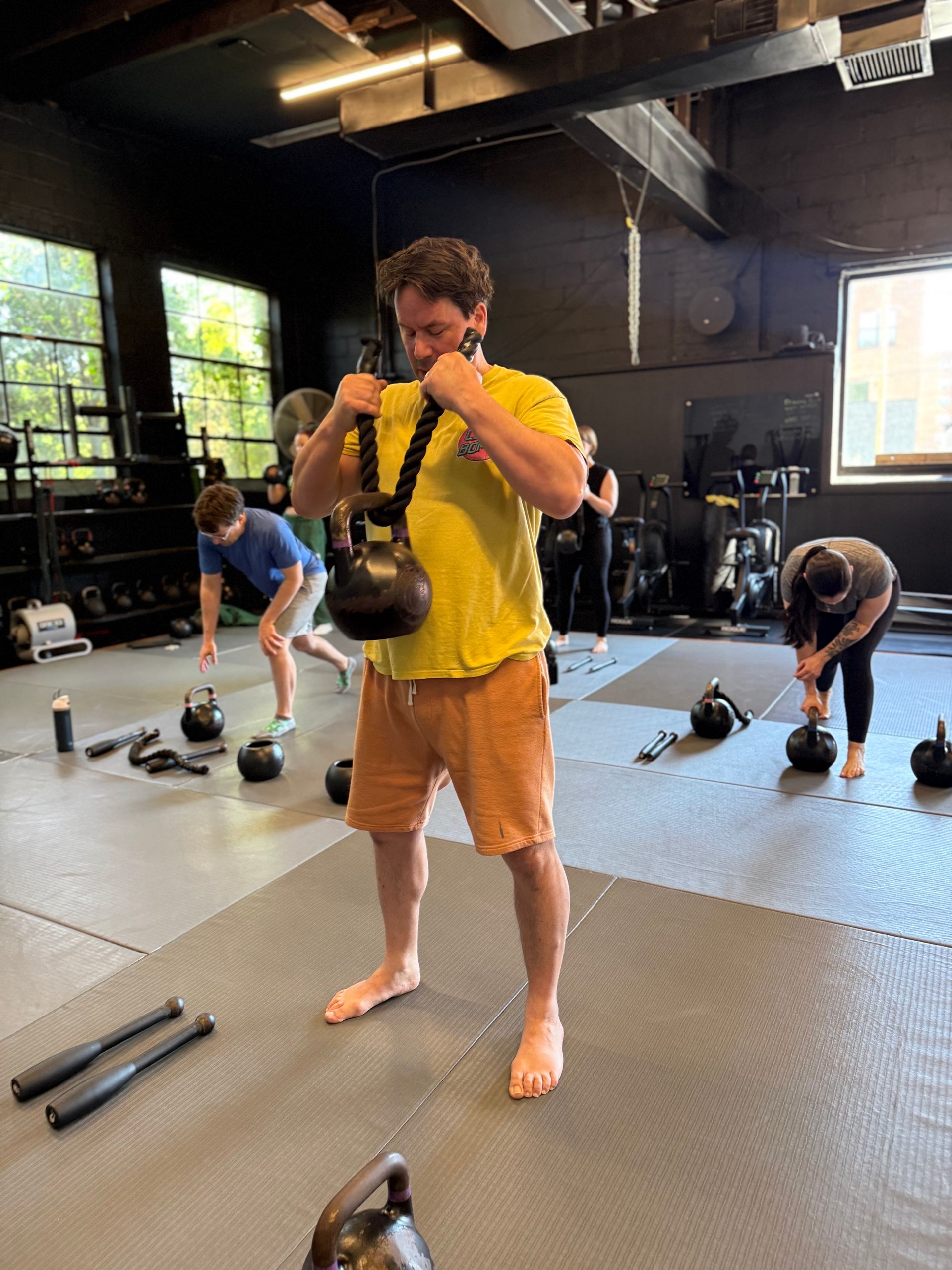
If you want Fitness Classes in Maplewood, NJ that support both performance and peace of mind, we built Soma MVMT to be that kind of place. Our coaching, class formats, and community energy are designed to meet you on the day you are having, whether you need a calm reset or a high-output release.
You can use the class schedule to create a routine that feels realistic, not overwhelming, and our team will help you choose a mix of strength, mobility, and recovery that makes stress easier to manage week after week at Soma MVMT.
Improve how you move, train, and perform with movement-focused training at Soma MVMT.